
3D Modeling
Our modeling solutions offer out-of-the-box components that accelerate your development. Deliver unrivaled 3D modeling components that boost ROI, reduce risks and enable faster market placement.
Read moreIn engineering and simulation, fluid flow analysis is used to understand how fluids behave under different conditions such as pressure, velocity, temperature, and geometry constraints.
Studying fluid flow is essential for predicting performance, efficiency, and safety in systems where fluids play a critical role.
Want to learn about other 3D Modeling definitions?
.png)

Our modeling solutions offer out-of-the-box components that accelerate your development. Deliver unrivaled 3D modeling components that boost ROI, reduce risks and enable faster market placement.
Read more
Translate data and read major CAD files and metadata. Enable your customers to work with imported 3D data as if it were created natively in your own application.
Read more
Reach a wider customer base with stunning visual applications. HOOPS solutions allow you to harness the industry’s most powerful, portable and complete graphics development components for creating 3D applications.
Read more
Enhance the accuracy and performance of your simulations with our 3D meshing SDKs. Experience automatic and reliable meshing with controls to guarantee accurate and performant simulations for any CAE workflow.
Lorem ipsum dolor sit amet, mel ad doming facete vituperatoribus, ei causae oblique consetetur sit.
Read more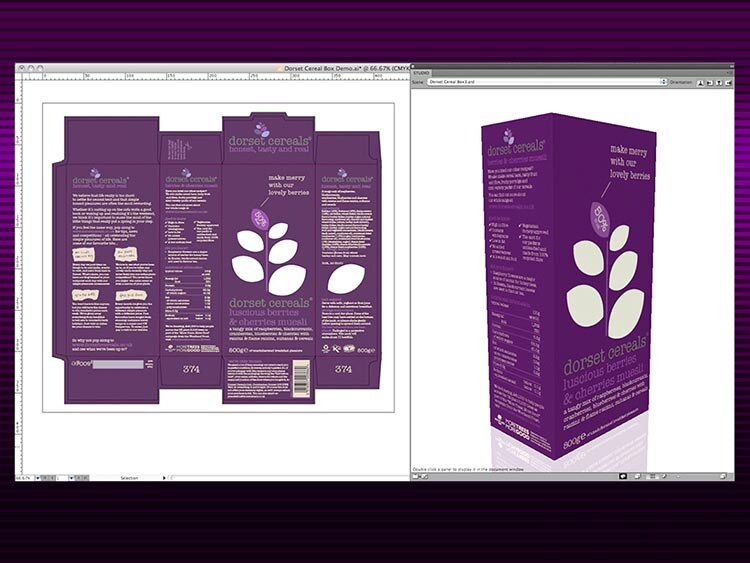

EskoArtwork's ArtiosCAD gained 3D CAD model import functionality, maintaining competitive edge without straining in-house resources.
ABB’s Robotics Division used RobotStudio software for PC-based robot programming, boosting productivity without production shutdowns.
EskoArtwork's ArtiosCAD gained 3D CAD model import functionality, maintaining competitive edge without straining in-house resources.
IMSI/Design integrated new versions of ACIS quickly, bringing a new version of TurboCAD to market every 12-15 months.
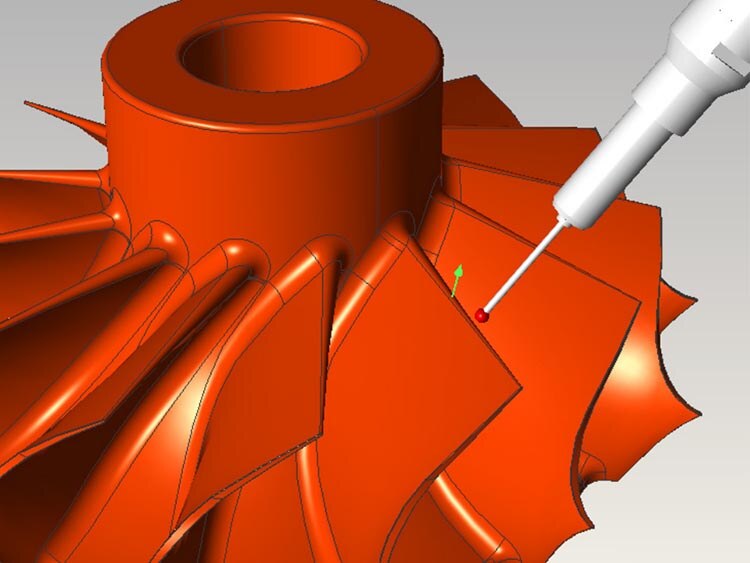

Dukin used 3D ACIS Modeler to focus on core technology, reducing time spent on solid modeling and accelerating new product development.
FVA's solutions served the driveline industry with software capable of sophisticated simulations and detailed analyses of gearbox components.
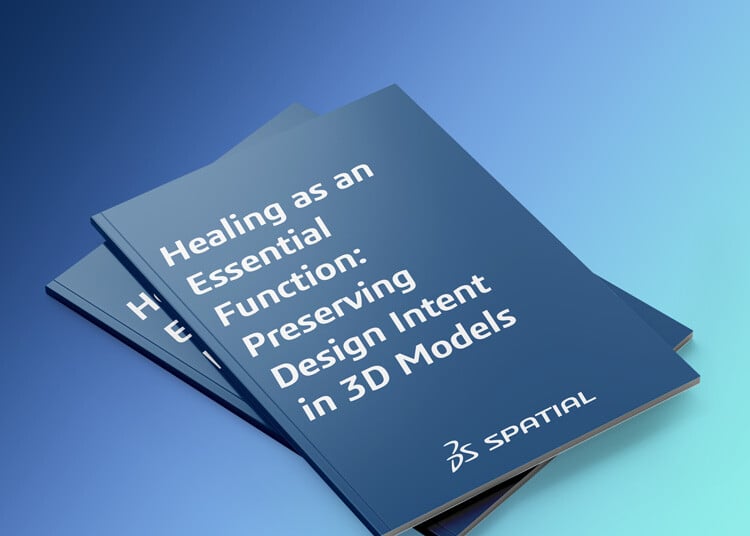
Discover the importance of 3D model healing, pre-healing actions by 3D InterOp, and the healing process.
Explore the top reasons to use Spatial's 3D SDK for developing, deploying, and supporting innovative 3D applications.