Kawasaki Heavy Industries Case Study
Market: Heavy Industries, Robotics, Manufacturing Automation



By introducing AGM, we were freed from the constraints of developing geometry processing and visualization functions from scratch in CAD application development. Compared to traditional CAD add-on development, AGM offers greater flexibility, allowing us to focus more time on value-added tasks related to implementing robotic systems.

The Company
Kawasaki Heavy Industries, Ltd. is a global engineering leader with a history of more than 100 years, known for delivering advanced technologies across transportation, energy, industrial equipment, and robotics. Supported by a network of over 100 affiliated companies worldwide, Kawasaki develops solutions that span land, sea, air, outer space, and deep-sea applications.
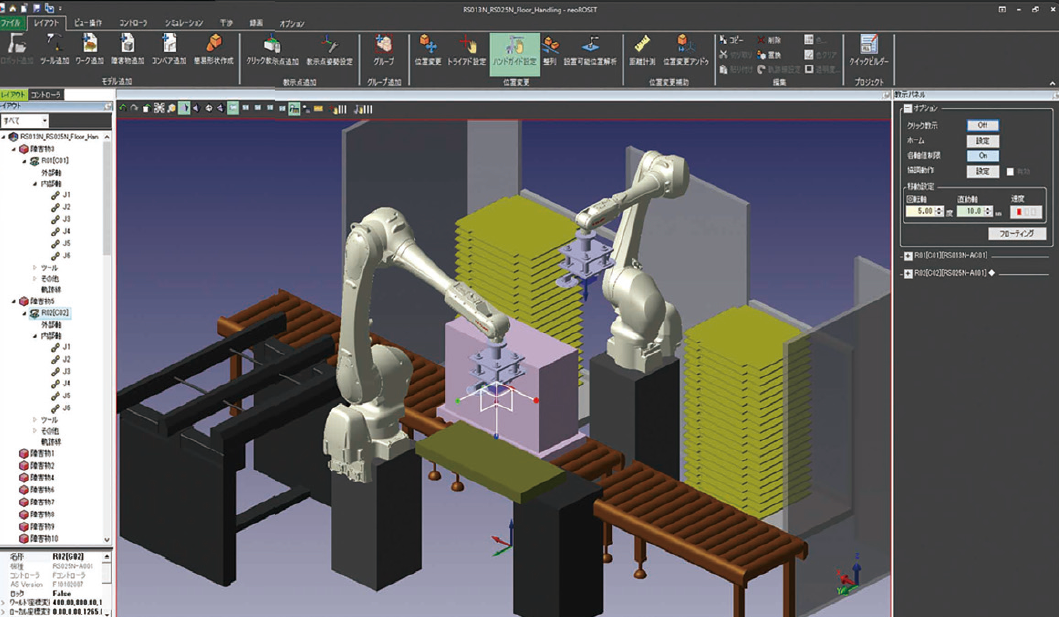
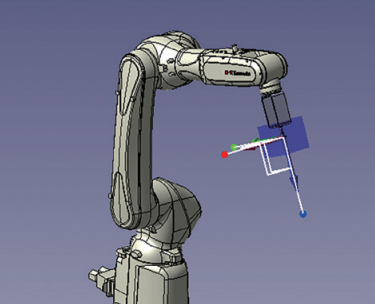
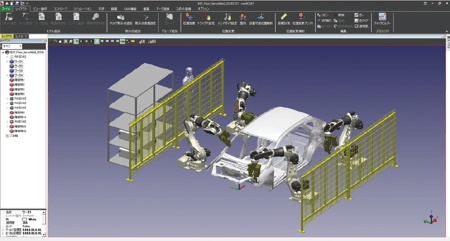
With more than 50 years of expertise in industrial robotics, KHI has been a pioneer in automating manufacturing processes using 3D CAD data to drive robot implementation. Building on this long-standing experience, the company developed neoROSET, an innovative software platform that streamlines workflows, reduces labor hours, and enhances quality throughout the full lifecycle of industrial robot deployment. The solution supports all sectors integrating robotics, with a strong focus on automation feasibility studies and robot teaching operations.

The Challenge
Automating Complex Robot Teaching Processes
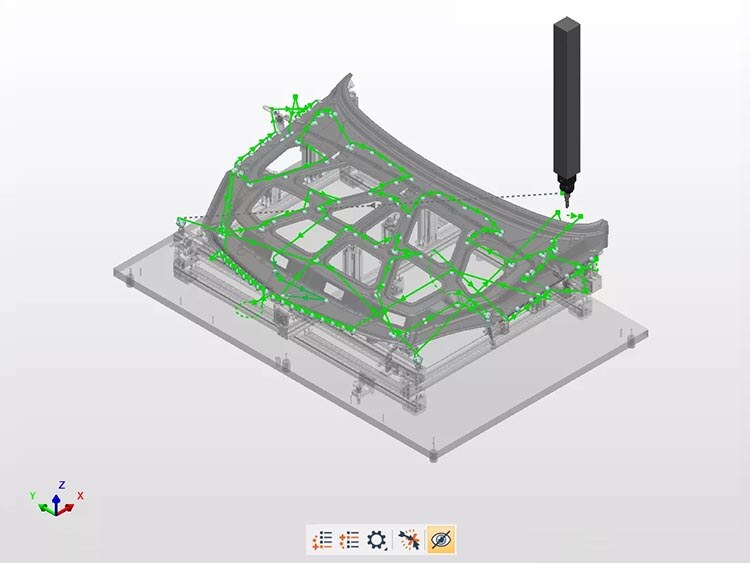
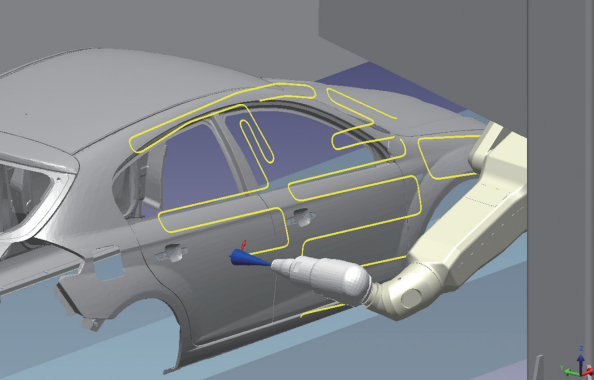
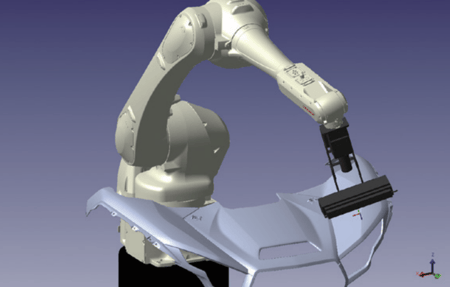
Kawasaki Heavy Industries faced significant challenges in automating robot teaching processes based on 3D CAD data. Traditional robot teaching tasks, especially for products composed of complex 3D geometries, required significant time and effort from highly skilled engineers. Accurate shape representation was critical, as products with complex 3D geometries demanded highly precise modeling capabilities to ensure proper robot path planning.
Technical and Development Hurdles
The company encountered multiple technical obstacles that hindered efficiency. Variations across different CAD formats created inconsistent conversion results, requiring considerable investigation time and causing development delays. Differences in model tolerance and topology between CAD systems often caused gaps or overlaps in geometry, complicating data conversion and robot teaching. High-quality visualization was essential for identifying exactly where automatically generated machining points were placed on CAD data during robot teaching. Additionally, the complexity of developing both simulation and CAD-based robot teaching solutions placed a heavy burden on engineers, significantly increasing development costs. KHI needed to find a way to leverage existing technologies rather than building everything from scratch.
Key Insights

Expanding a portfolio with cloud solutions
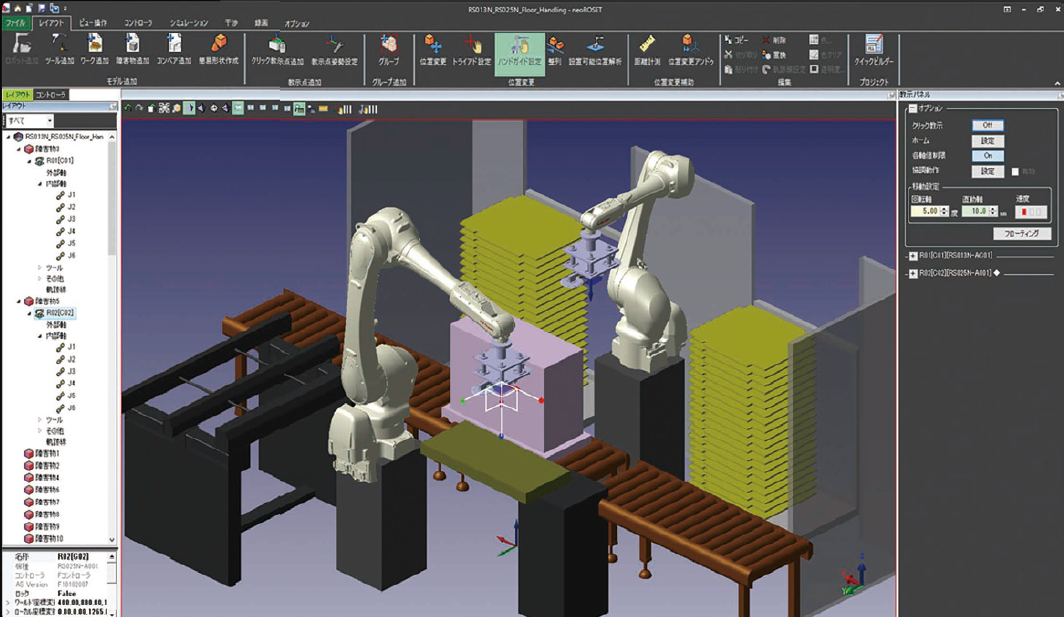
The integration of Spatial’s comprehensive SDK suite enabled Kawasaki Heavy Industries to create a market-leading solution that significantly outperforms their previous robot programming offerings. neoROSET now provides a much more intuitive interface compared to the previous K-ROSET software, with visual programming capabilities and simplified UI accessible even to beginners. With comprehensive CAD format compatibility and integrated healing functionality, the solution minimizes errors, reduces manual rework, and accelerates deployment cycles.
The collaboration with Spatial not only solved immediate technical challenges but also positioned KHI to serve all industrial segments implementing robotics more effectively. The resulting solution reduces training costs and improves quality across the entire robot deployment lifecycle, demonstrating the power of integrated 3D technology in industrial automation.




-1.png)