
Skip to content

Technical Explanation

What is FEA in practice?

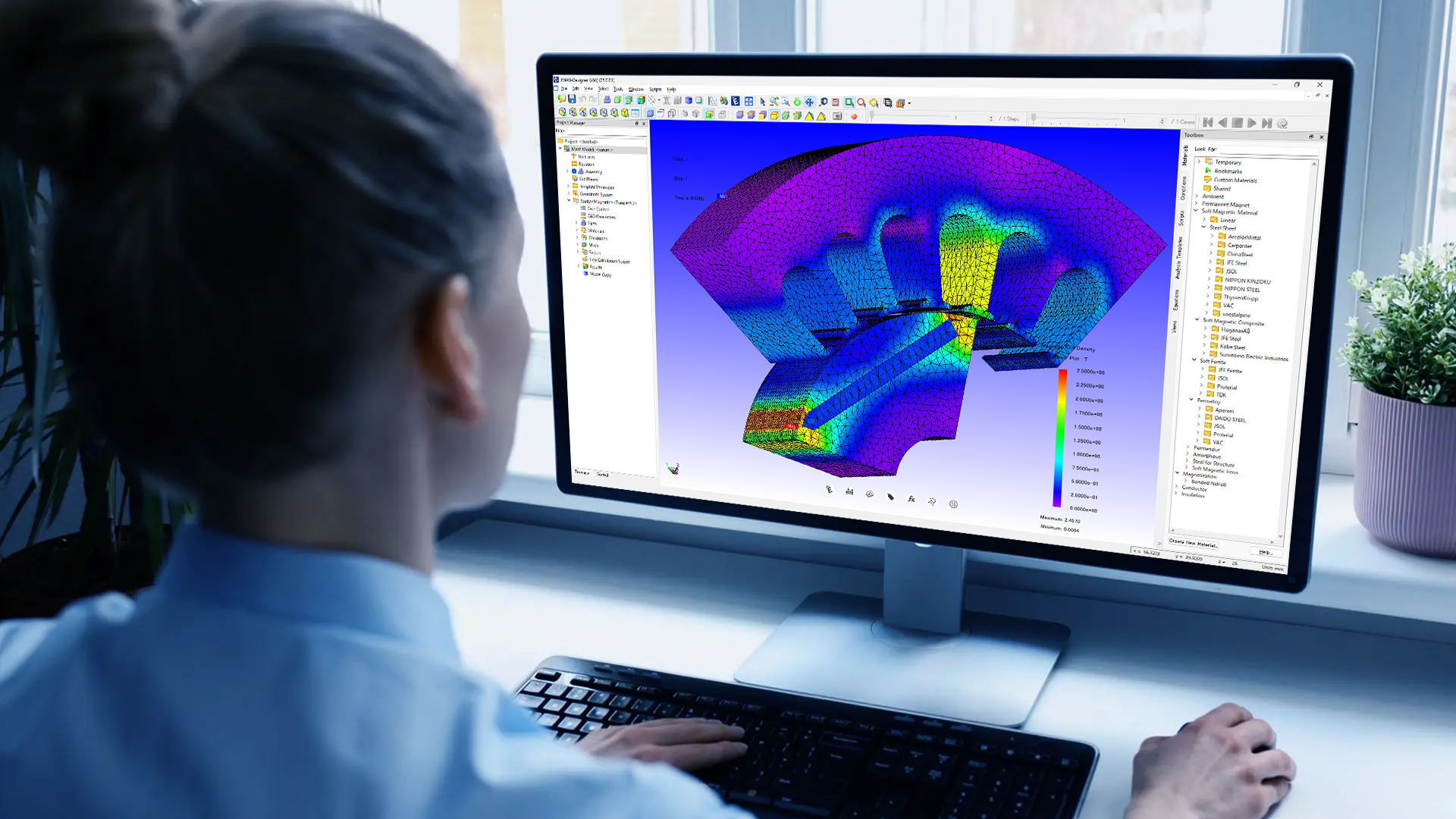
FEA is not a mathematical theory but a practical simulation workflow used by engineers.

It encompasses all the steps required to go from a digital model to actionable engineering results, including:

  • Preparing geometry for analysis
  • Discretizing the model into elements (meshing)
  • Defining materials, loads, and boundary conditions
  • Running numerical solvers
  • Interpreting and validating simulation results

In short, FEA is how FEM is applied in real engineering projects.

What problems is FEA used to solve?

FEA is commonly used to answer questions such as:

  • Will this part withstand applied loads without failing?
  • Where are the highest stresses or deformations?
  • How does temperature affect structural behavior?
  • How will the design behave under dynamic or cyclic loading?

Because FEA relies on digital models, it allows engineers to test multiple design iterations quickly and cost-effectively.

FEA vs FEM: key distinction

  • FEM is the numerical method used to approximate physical behavior.
  • FEA is the simulation process that applies FEM within engineering software.

This distinction is important: engineers run FEA, while FEM defines how the calculations are performed.

Applications and Industry Use Cases

FEA is widely used across industries where predictive analysis is essential:

  • Mechanical and structural engineering – stress, fatigue, and deformation analysis
  • Manufacturing – validating designs before tooling or production
  • Energy and infrastructure – thermal and structural performance assessment
  • Electronics and devices – thermal management and reliability studies

By reducing reliance on physical prototypes, FEA accelerates development cycles and lowers engineering risk.

Challenges or Common Pitfalls

While widely used, FEA results are only as reliable as the setup:

  • Poor geometry preparation or meshing can distort results
  • Incorrect loads or boundary conditions can invalidate conclusions
  • Over-reliance on results without validation can lead to false confidence

Understanding the limits of FEA is as important as running the analysis itself.

How Spatial Helps

Spatial supports FEA workflows by enabling clean, simulation-ready geometry and reliable data exchange between CAD and CAE environments. Spatial also provides a robust suite of industry-proven meshing SDKs which can generate simulation ready meshes for each type of FEA.

Through robust CAD interoperability and geometry processing, Spatial helps developers and engineers focus on physics and analysis quality, not data preparation and meshing issues.