COSCOM Case Study
Market: Manufacturing, CNC Machining, Metalworking, Mechanical, Engineering






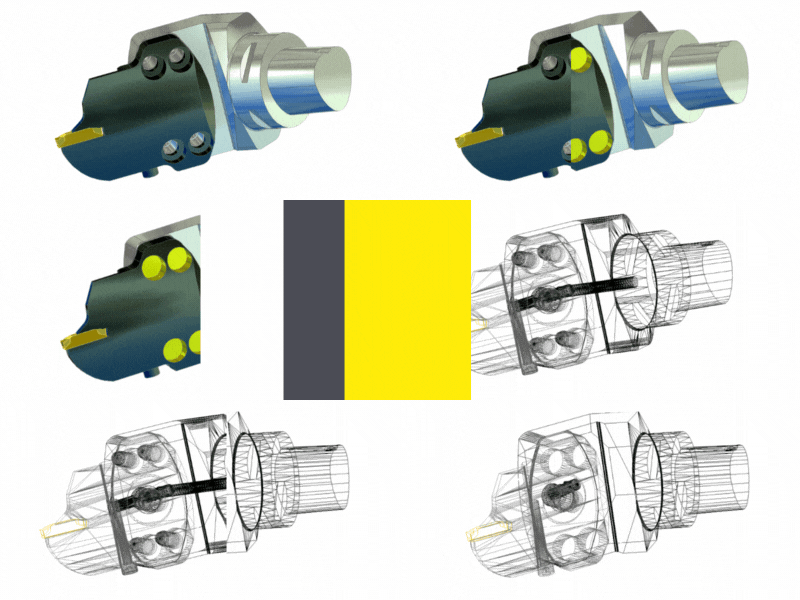
With Data Prep, we are able to reduce the amount of detail, the amount of facets, for example, in tool drawings or fixtures. With a one-click solution, our customers can prepare for future needs and make the process more comfortable and faster.

The Company
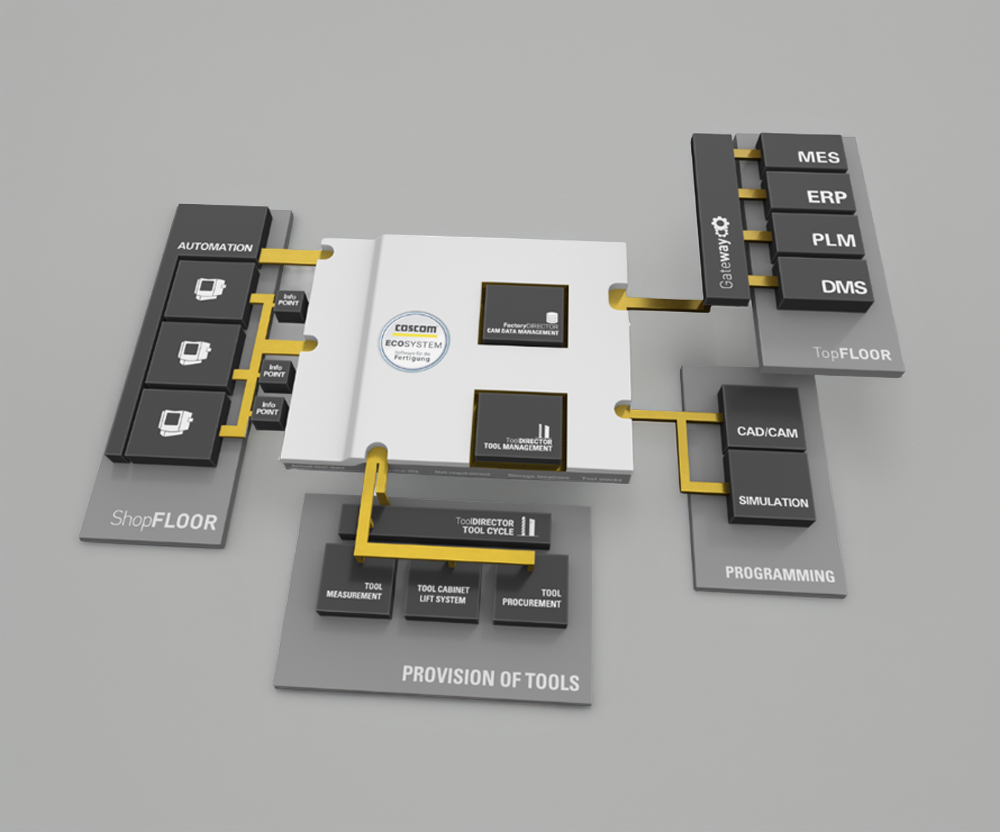
Since 1978, COSCOM Computer GmbH has been a leading software provider developing and integrating products and process solutions for process optimization in the metalworking and mechanical engineering industries. Under the leadership of managing directors Knut Mersch and Christian Erlinger, COSCOM develops solutions that enable machinery and mechanical engineering companies to optimize their CNC processes. COSCOM’s solutions cover the entire chain from CAD/ CAM through simulation to tool management and data management, particularly for milling and lathe machines. The core product portfolio has a modular structure consisting of CAD/CAM software, machine simulation, tool management, CAM data management, DNC software, and associated process consulting.
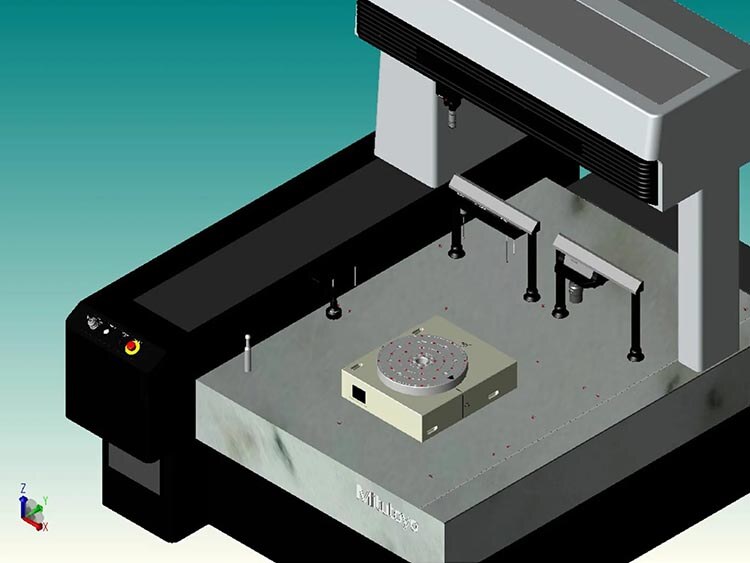
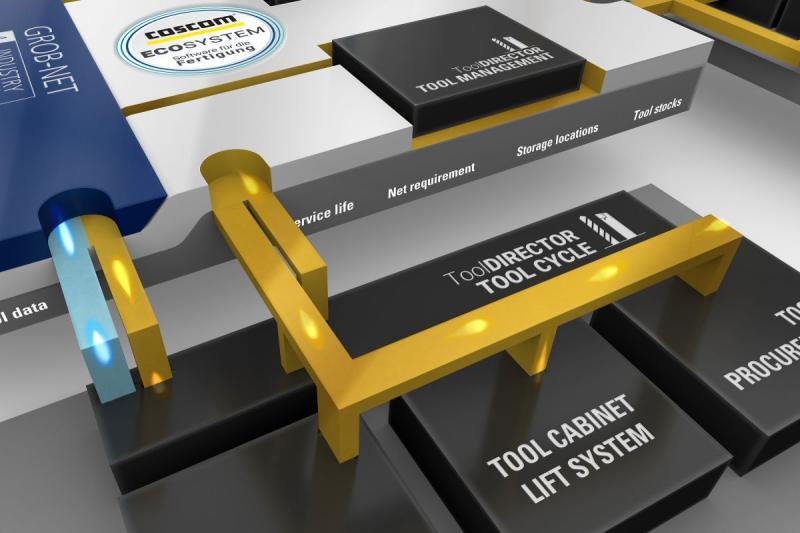
COSCOM’s flagship ToolDIRECTOR VM (Virtual Machining) is a modular software solution providing comprehensive tool management support for milling machines and lathes. The solution transforms CAD data from various tool manufacturers and in-house tool designs into digital twins for CNC machines, supporting multiple CAD systems including AutoCAD, Autodesk Inventor, CATIA V5, Siemens NX, SOLIDWORKS, and many more. Serving customers from diverse sectors where metal processing is part of their business—without focusing solely on automotive or defense—COSCOM maintains a comfortable market position with an established customer base across Europe.

The Challenge
Massive Data Volumes Affecting Application Performance
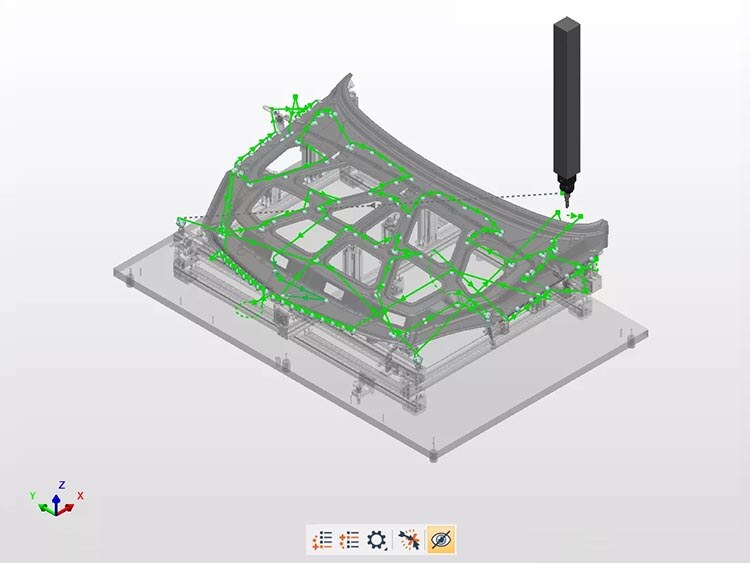
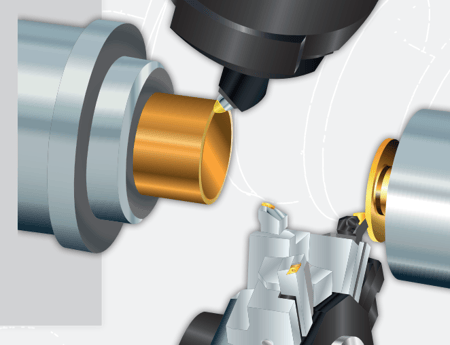
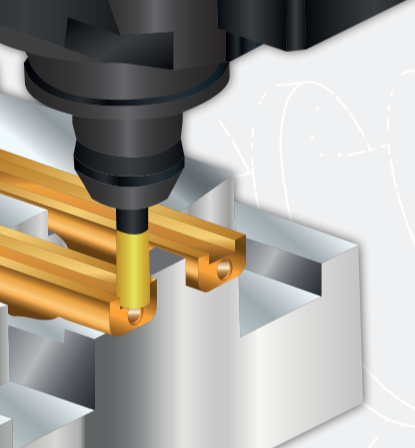
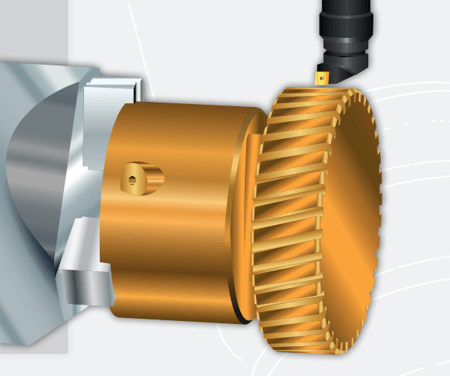
One major challenge for digital twin applications in CNC manufacturing has been the massive data volume inherent in detailed tool geometries. The large number of fine geometric details—such as internal structures—significantly affects application performance in every CAD/CAM software. This creates obstacles for customers seeking efficient collision avoidance at the machine level and smooth digital process integration into their daily operations.
The Critical Balance: Detail Reduction Without Information Loss
The technical challenge was clear: while some geometries must be retained for collision checking and simulations, many details are not essential for the digital twin. For example, the internal structure of a bore does not contribute to simulation accuracy but adds computational burden. The question of data volume in simulations and collision avoidance systems is always critical—how much detail is truly necessary versus what creates unnecessary processing overhead? Reducing fine details such as facets in tool drawings or fixtures leads to data minimization and improved performance, but required an intelligent approach to ensure critical information was preserved. COSCOM needed a solution that would help customers prepare for future digitalization projects and make the process more comfortable and faster, while making digital and technical challenges accessible beyond highly skilled engineers.
The Solution
A Valued Partnership Built Over 20 Years
COSCOM’s collaboration with Spatial began in the early 2000s when the company sought to expand from 2D to 3D tool data in their in-house CAD/CAM software. At that time, 3D ACIS Modeler had already earned a strong reputation in the market and COSCOM was convinced that Spatial would be the right partner. The first contract was signed in 2003. COSCOM then developed ProfiCAM VM, a CAD/CAM software solution for simulating milling, turning, and turn-milling processes, using 3D ACIS Modeler as its core geometric modeling engine.
Progressive Integration: From 3D ACIS to 3D InterOp
The next natural step was implementing 3D InterOp to enable compatibility with several leading CAD systems. This integration provided reliable CAD data translation across diverse formats such as AutoCAD, Autodesk Inventor, CATIA V5, Siemens NX, SOLIDWORKS, and many more. As COSCOM’s software quality grew with Spatial’s expanding product range, each integration represented a logical progression in their digital twin capabilities. Spatial proved to be a very reliable partner with deep technical expertise, always engaged in collaborative problem-solving.
One-Click Solution Delivering Measurable Results
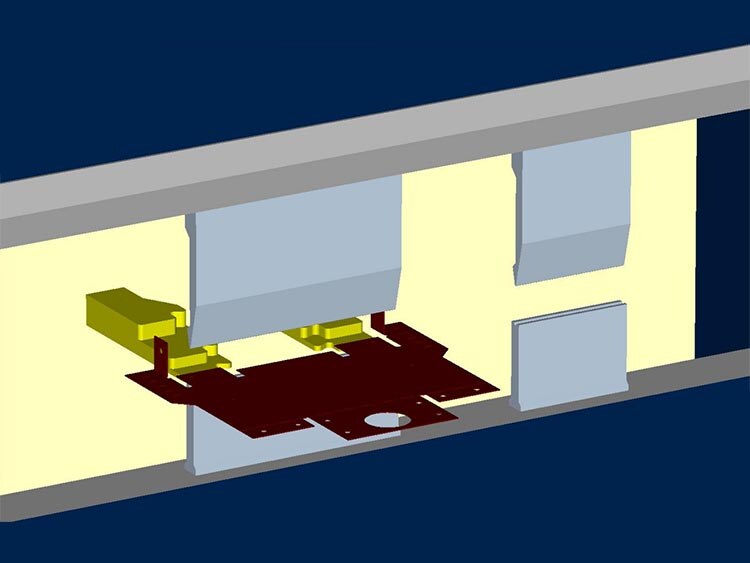
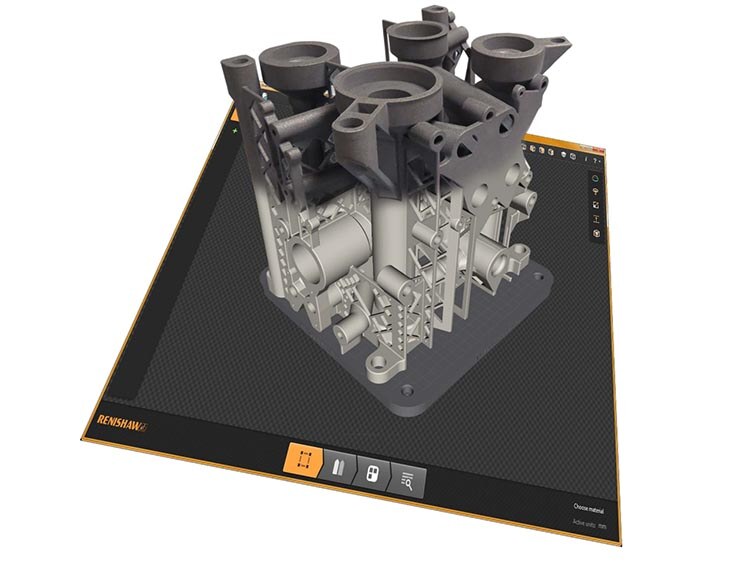
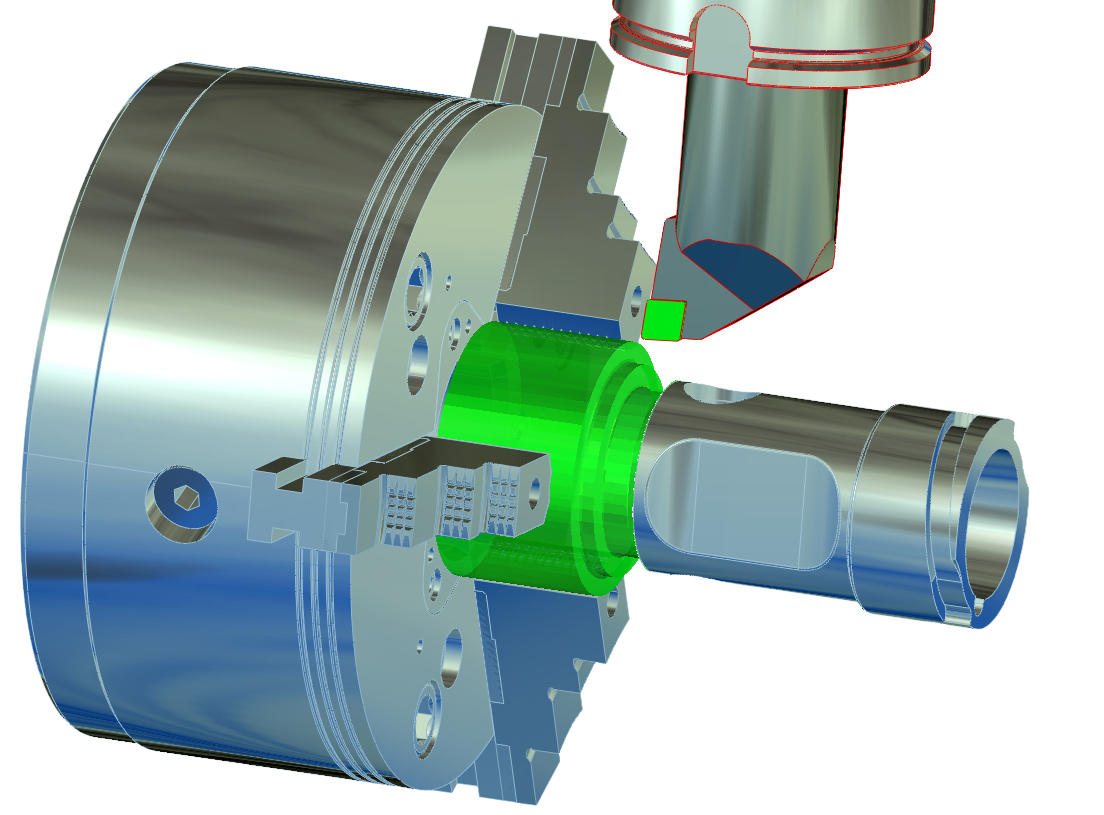
With Data Prep Add-On integration, COSCOM is able to reduce the amount of details and facets in tool drawings or fixtures with a single click. For example, in a grooving turning tool, the internal details of holes are removed while the yellow cutting edge is automatically retained, as this area remains relevant for simulation. This approach achieves approximately 47% reduction in triangles and vertices.
This allow COSCOM to create high-quality tool drawings efficiently. By reducing the quantity of facets with a one-click solution, customers can prepare for future needs and digitalization projects in their operations, such as collision avoidance at the machine level. The software helps customers integrate digital processes into their daily work, making the process more comfortable and faster while reducing time, data volume, and stress.
Key Insights

The 20-year partnership between COSCOM and Spatial demonstrates how sustained collaboration drives continuous innovation. From 3D ACIS Modeler in 2003 to 3D InterOp and now Data Prep Add-On, each integration has been a natural step responding to technical challenges and market evolution. Spatial has proven to be an essential technology partner for COSCOM, combining deep technical competence with a collaborative approach. The TCI Data Preparation module transforms digital twin accessibility. By reducing huge amount of facets with one click while preserving critical collision checking features, COSCOM makes digitalization possible for their customers and makes digital challenges accessible beyond highly specialized engineers. This aligns with their mission to help companies integrate digital processes into their daily operations.
With a strong European customer base and future plans to use AGM framework for next-generation solutions, COSCOM has positioned itself to serve diverse manufacturing sectors. The Data Prep integration helps customers prepare for future digitalization projects, making the process more comfortable and faster. Spatial remains a large part of the puzzle as COSCOM continues optimizing the entire CNC process chain.




-1.png)